 Passer au contenu

Asatru RSS
What Does Mjolnir Mean? The True Meaning of Thor's Hammer


You've seen it everywhere — around necks, on rings, tattooed on forearms. Thor's hammer, Mjolnir, is one of the most recognizable symbols in the world. But most people who wear it have no idea what it actually meant to the Vikings, or that wearing it as a pendant isn't a modern trend at all. It's one of the oldest pieces of jewelry in Norse history. Here's the real meaning behind the hammer.* The Short Answer Mjolnir is the hammer of Thor, the Norse god of thunder — and it stood for protection, strength, and blessing.** It was the weapon that...
10 Epic Tales of Loki: The Norse God Trickster


Get ready to dive into the wild and wacky world of Norse mythology with the one and only Loki, the ultimate trickster god. Known for his cunning ways and mischievous antics, Loki is a character like no other. So, grab a seat by the fire, pour yourself a horn of mead, and let's explore 10 epic tales of Loki that will leave you in stitches! 1. The Time Loki Turned into a Horse Yes, you read that right. In one of his most bizarre escapades, Loki shape-shifted into a majestic mare to distract a giant's horse. The result? A foal...
Everyday life of Vikings
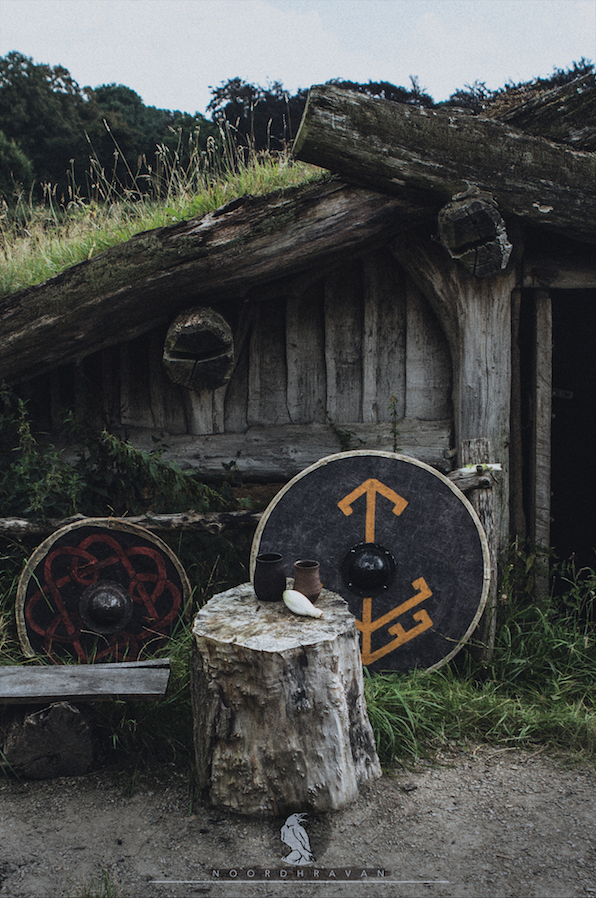

The Vikings, a community of Scandinavian seafarers active from the late 8th to the early 11th centuries, gained renown for their maritime raids, trade expeditions, and explorations. At the heart of Viking existence were their self-sufficient homesteads, known as "hofs." Constructed from wood with thatched roofs, these dwellings typically comprised a single room featuring a central hearth for cooking and warmth. More affluent Vikings might have separate rooms for distinct purposes like sleeping, working, and food storage. Agriculturally adept, Vikings cultivated their crops, raised livestock, and supplemented their diet through hunting and fishing. Their culinary preferences embraced a variety of...
Dieux et déesses de la mythologie nordique
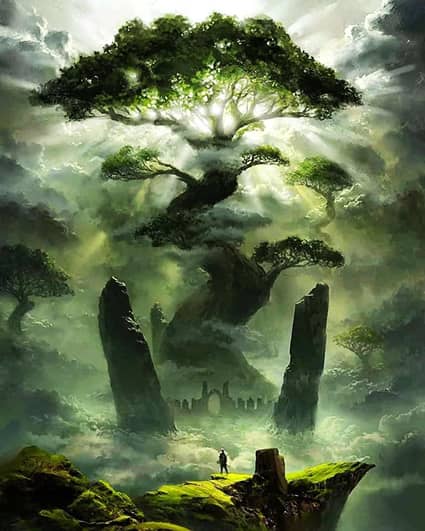

L'origine de la mythologie nordique et le panthéon des dieux et des déesses La mythologie nordique est un monde complexe et fascinant, dont l'origine n'est pas bien comprise. On pense que la mythologie nordique est issue des anciennes croyances des personnes qui vivaient en Scandinavie il y a des milliers d'années. Le panthéon des dieux et déesses nordiques se compose de douze divinités divisées en deux groupes, les Ases et les Vanes. Les Ases sont considérés comme plus guerriers tandis que les Vanes sont associés à la fertilité et à la terre. Commençons par les dieux et les...
Symboles de la mythologie viking-nordique ; Que souhaitez-vous savoir


Un symbole est une image ou un objet qui signifie un concept non figuratif, souvent lié à ses croyances spirituelles. Toutes les sociétés, des plus préhistoriques aux plus actuelles, ont utilisé des symboles pour rendre l'abstrait tangible et perceptible. Et ils doivent garantir qu'une puissance supérieure observe et comprend les escarmouches des êtres humains. Les symboles utilisés dans la mythologie nordique ne concernaient pas seulement des entités paranormales, mais également des épreuves de la vie quotidienne. Et ils sont également préoccupés par le secret de ce qui se profile après la mort. Certains de ces symboles peuvent certainement être courtisés...