 Ir directamente al contenido

Viking lovers RSS
What Does Mjolnir Mean? The True Meaning of Thor's Hammer


You've seen it everywhere — around necks, on rings, tattooed on forearms. Thor's hammer, Mjolnir, is one of the most recognizable symbols in the world. But most people who wear it have no idea what it actually meant to the Vikings, or that wearing it as a pendant isn't a modern trend at all. It's one of the oldest pieces of jewelry in Norse history. Here's the real meaning behind the hammer.* The Short Answer Mjolnir is the hammer of Thor, the Norse god of thunder — and it stood for protection, strength, and blessing.** It was the weapon that...
Symbols of Strength: The Meaning Behind Our Viking Jewelry


Every piece of Viking jewelry tells a story of ancient power, protection, and heritage. Our collection brings these timeless symbols to life, allowing you to carry the warrior spirit with you.The Viking Tree of Life Runes Ring represents Yggdrasil, the cosmic tree connecting all nine realms. This sacred symbol embodies growth, interconnection, and the eternal cycle of life—a reminder that we're all part of something greater.Our Skane Mjöllnir Thor's Hammer Necklace channels the might of Thor himself. Mjöllnir symbolizes protection, strength, and blessing—worn by warriors seeking courage and divine favor in battle.The Viking Jormungandr Necklace depicts the world serpent, representing...
Everyday life of Vikings
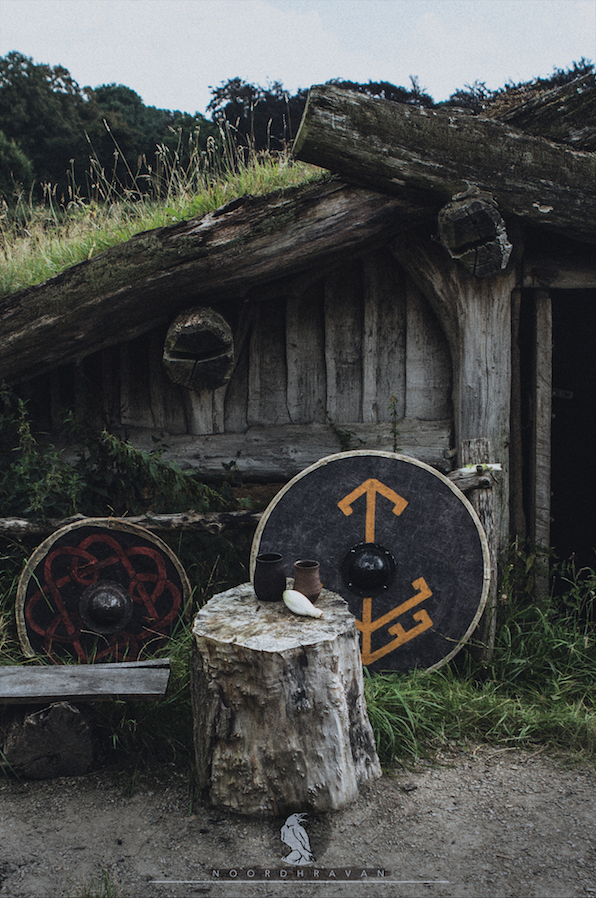

The Vikings, a community of Scandinavian seafarers active from the late 8th to the early 11th centuries, gained renown for their maritime raids, trade expeditions, and explorations. At the heart of Viking existence were their self-sufficient homesteads, known as "hofs." Constructed from wood with thatched roofs, these dwellings typically comprised a single room featuring a central hearth for cooking and warmth. More affluent Vikings might have separate rooms for distinct purposes like sleeping, working, and food storage. Agriculturally adept, Vikings cultivated their crops, raised livestock, and supplemented their diet through hunting and fishing. Their culinary preferences embraced a variety of...
Los mejores sitios históricos para los amantes de los vikingos
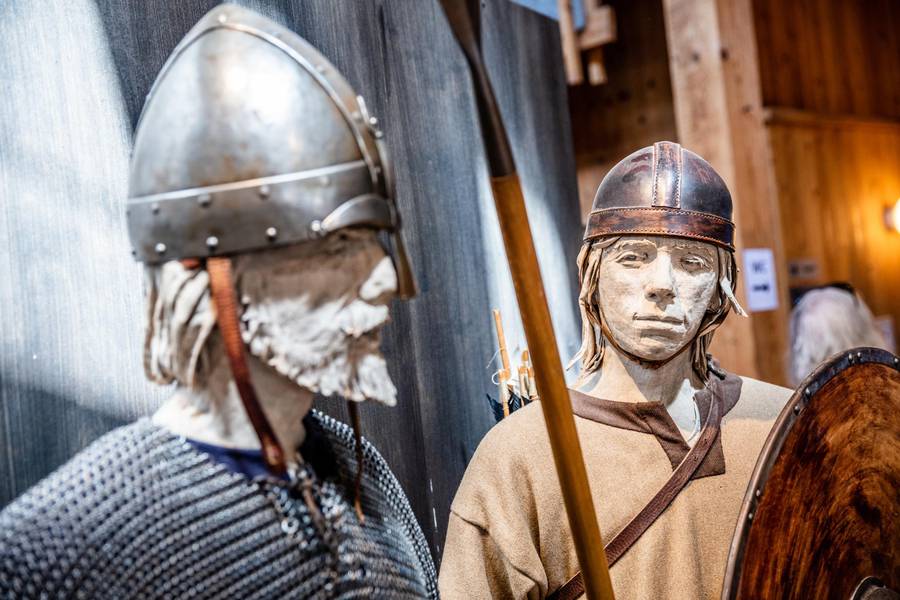

Si eres un entusiasta de los vikingos y planeas visitar los países nórdicos, estos son algunos de los principales sitios históricos que deberías considerar visitar en Dinamarca, Suecia, Islandia y Noruega. Montículos y piedras de gelatina - Dinamarca Jelling es una pequeña ciudad de Dinamarca, conocida por sus monumentos de la era vikinga, incluidos dos túmulos funerarios enormes y dos piedras rúnicas. El sitio es importante porque representa la transformación cultural del pueblo vikingo de sus creencias paganas al cristianismo. Las piedras rúnicas están inscritas con mensajes del rey Harald Bluetooth , quien unificó Dinamarca y se convirtió al cristianismo...