 Skip to content

News RSS
Christianity and Vikings: A Complex Relationship
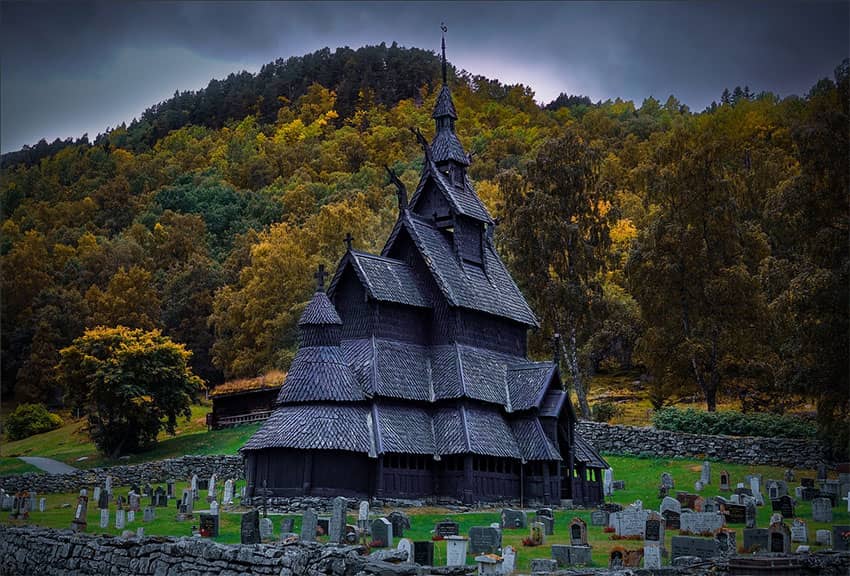

The Vikings, also known as the Norsemen, were seafaring people from Scandinavia who raided and traded throughout Europe during the Middle Ages. They were known for their fierce warriors, their longboats, and their pagan beliefs. However, the Vikings also had a complex relationship with Christianity. While many Vikings were pagan and opposed to Christianity, others embraced the new religion and even became missionaries themselves. In this blog post, we will explore the relationship between Christianity and Vikings, and how it evolved over time. The Beginnings of Christianity in Scandinavia Christianity was introduced to Scandinavia in the 8th century through missionaries...
Viking Spring Rituals: Honoring the Norse Gods and Welcoming the Season of Rebirth


Discover the fascinating world of Viking spring rituals, as the Norse gods were honored and the arrival of spring was celebrated during the Viking Age. Learn about the ancient customs and traditions that marked the beginning of the season of rebirth in Viking culture. As the icy grip of winter loosened its hold, and the days grew longer and warmer, the Vikings of old would eagerly anticipate the arrival of spring. Known for their fierce warrior ways and seafaring exploits, the Vikings also had a deep connection with nature and the changing seasons. Spring held a special significance for the...
Unknown Facts about Vikings, Viking Kings, and Shield-Maidens
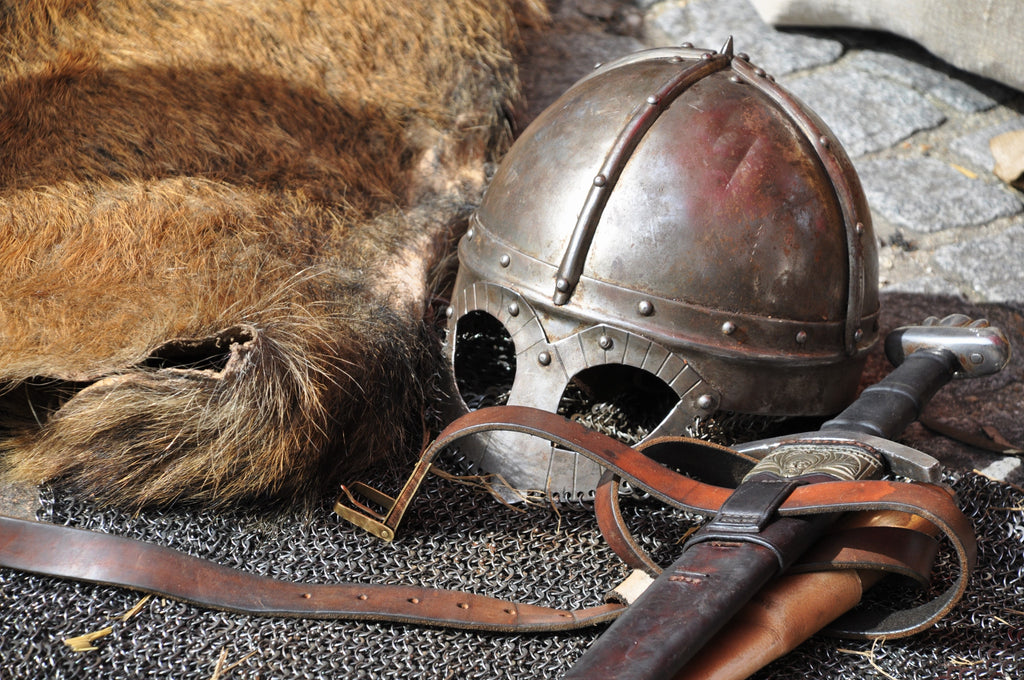

The Vikings are some of the most iconic figures in history. These seafaring warriors from Scandinavia sailed the seas over a thousand years ago, conquering and trading with countries far and wide. Known for their fearless nature and their mastery of the seas, the Vikings were a force to be reckoned with. However, there are still many mysteries and unknown facts about these fascinating people. In this article, we will explore some of the lesser-known details about Vikings, Viking Kings, and Shield-Maidens. Viking Facts: The Vikings didn't actually wear horned helmets: Contrary to popular belief, Vikings didn't actually wear horned...
Top Historical Sites for Viking lovers
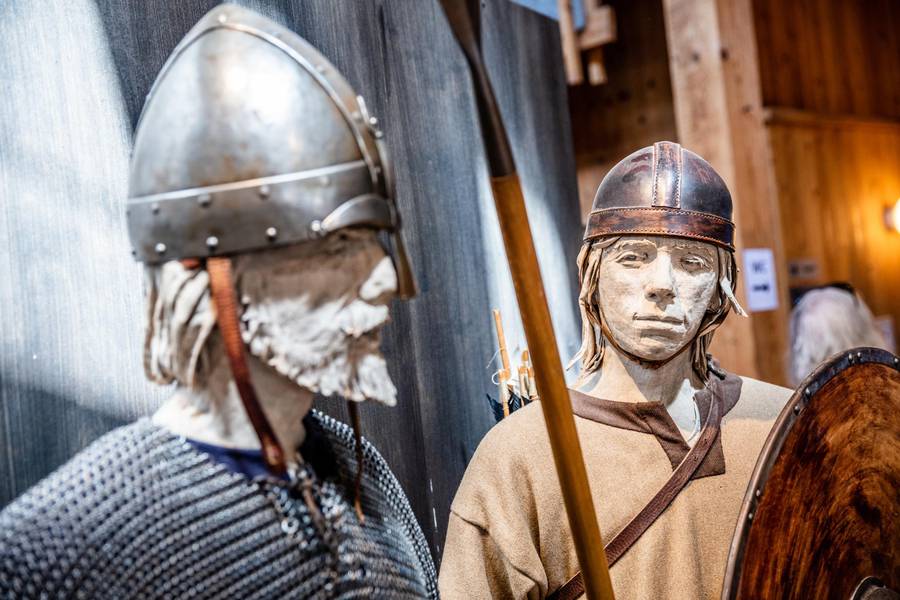

If you are a Viking enthusiast and planning to visit the Nordic countries, here are some top historical sites you should consider visiting in Denmark, Sweden, Iceland, and Norway. Jelling Mounds and Stones - Denmark Jelling is a small town in Denmark, known for its Viking Age monuments, including two massive burial mounds and two runic stones. The site is significant because it represents the cultural transformation of the Viking people from their pagan beliefs to Christianity. The runic stones are inscribed with messages by King Harald Bluetooth, who unified Denmark and converted to Christianity in the 10th century....
The Hidden Meanings Behind Viking Tattoos: Were They Really a Part of Viking Culture?


Discover the Fascinating World of Viking Tattoos: The Truth About Their Existence. The Viking Age, which lasted from the late eighth to the mid-eleventh century, was a time of great exploration, conquest, and cultural exchange. Vikings are often depicted as fierce warriors with long, flowing beards and horned helmets, but what about their tattoos? Were Vikings inked, and if so, what did their tattoos represent? For the meaning behind each symbol, see our full guide to Viking and Norse symbols and their meanings. Viking tattoos are becoming increasingly popular among people who admire their unique and rugged style. They are...