 Skip to content

Viking history RSS
Symbols of Strength: The Meaning Behind Our Viking Jewelry


Every piece of Viking jewelry tells a story of ancient power, protection, and heritage. Our collection brings these timeless symbols to life, allowing you to carry the warrior spirit with you.The Viking Tree of Life Runes Ring represents Yggdrasil, the cosmic tree connecting all nine realms. This sacred symbol embodies growth, interconnection, and the eternal cycle of life—a reminder that we're all part of something greater.Our Skane Mjöllnir Thor's Hammer Necklace channels the might of Thor himself. Mjöllnir symbolizes protection, strength, and blessing—worn by warriors seeking courage and divine favor in battle.The Viking Jormungandr Necklace depicts the world serpent, representing...
JÖRMUNGANDR -The World Serpent of Norse Mythology


⚡The Midgard Serpent In the vast tapestry of Norse mythology, few creatures inspire as much awe and terror as Jörmungandr, the World Serpent. This colossal beast, whose name means "huge monster" in Old Norse, encircles the entire world of Midgard, grasping its own tail in the depths of the ocean that surrounds the realm of humans. Born of chaos and destined for destruction, Jörmungandr represents one of the most fascinating and terrifying aspects of Viking cosmology—a creature so immense that its movements can shake the very foundations of the world. Vikings Jörmungandr Pendant Necklace 🔥Divine Parentage Jörmungandr is the middle...
Everyday life of Vikings
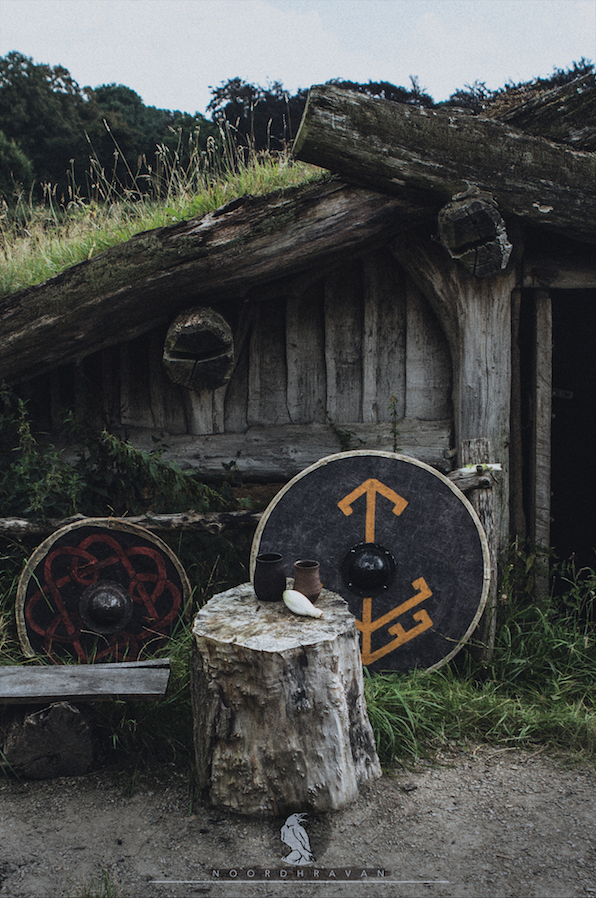

The Vikings, a community of Scandinavian seafarers active from the late 8th to the early 11th centuries, gained renown for their maritime raids, trade expeditions, and explorations. At the heart of Viking existence were their self-sufficient homesteads, known as "hofs." Constructed from wood with thatched roofs, these dwellings typically comprised a single room featuring a central hearth for cooking and warmth. More affluent Vikings might have separate rooms for distinct purposes like sleeping, working, and food storage. Agriculturally adept, Vikings cultivated their crops, raised livestock, and supplemented their diet through hunting and fishing. Their culinary preferences embraced a variety of...
Beyond the Grave: Unveiling the Secrets of Norse Burial Rituals
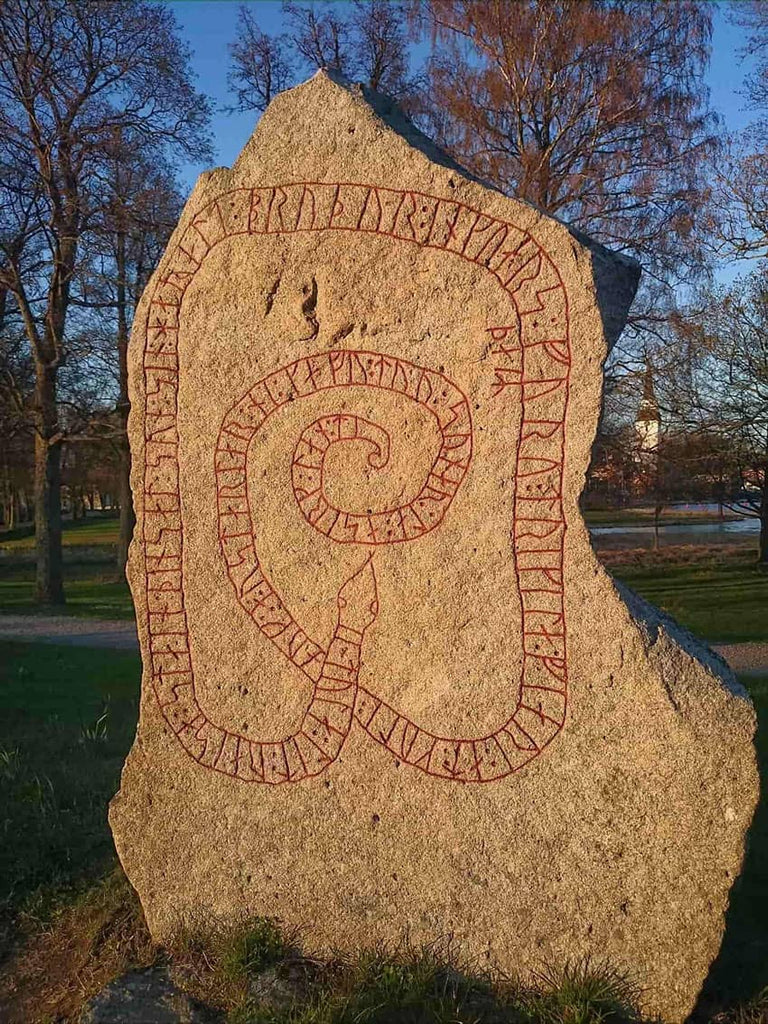

Norse Burial Rituals. How the Vikings Buried Kings and Common People The Vikings were known for their seafaring prowess, their brutal raids, and their fascinating culture. One aspect of Viking culture that is often overlooked is their elaborate burial rituals. The Vikings believed in an afterlife and placed great importance on ensuring that the dead were properly interred. This article will examine the Norse burial rituals and explore how the Vikings buried both their kings and common people. Norse Beliefs about Death and the Afterlife The Norse believed that there were several different realms in the afterlife, including Valhalla,...
Viking Spring Rituals: Honoring the Norse Gods and Welcoming the Season of Rebirth
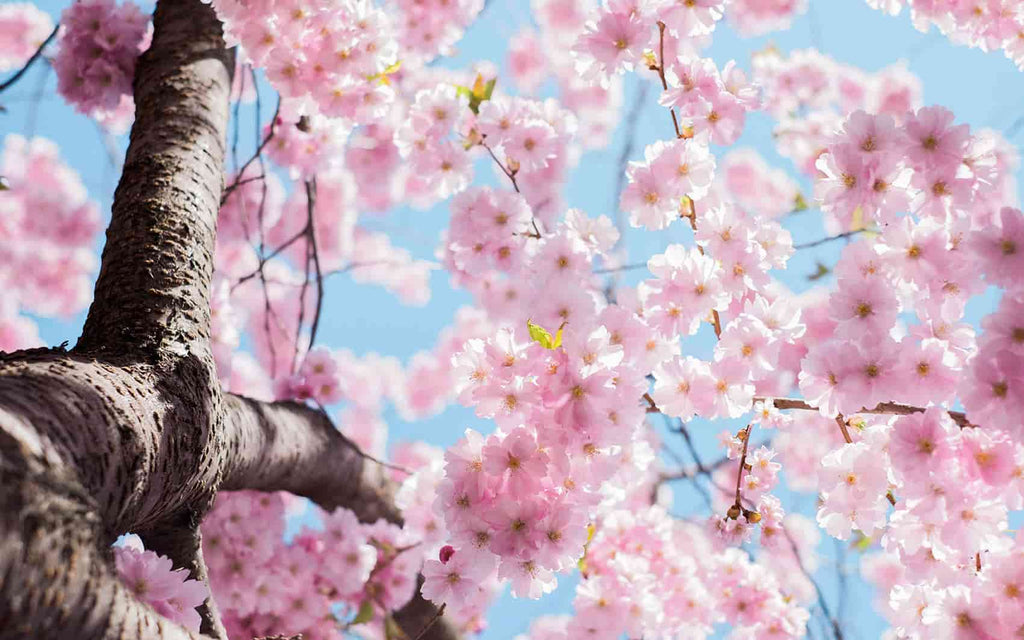

Discover the fascinating world of Viking spring rituals, as the Norse gods were honored and the arrival of spring was celebrated during the Viking Age. Learn about the ancient customs and traditions that marked the beginning of the season of rebirth in Viking culture. As the icy grip of winter loosened its hold, and the days grew longer and warmer, the Vikings of old would eagerly anticipate the arrival of spring. Known for their fierce warrior ways and seafaring exploits, the Vikings also had a deep connection with nature and the changing seasons. Spring held a special significance for the...