 Skip to content

Viking Age RSS
Everyday life of Vikings
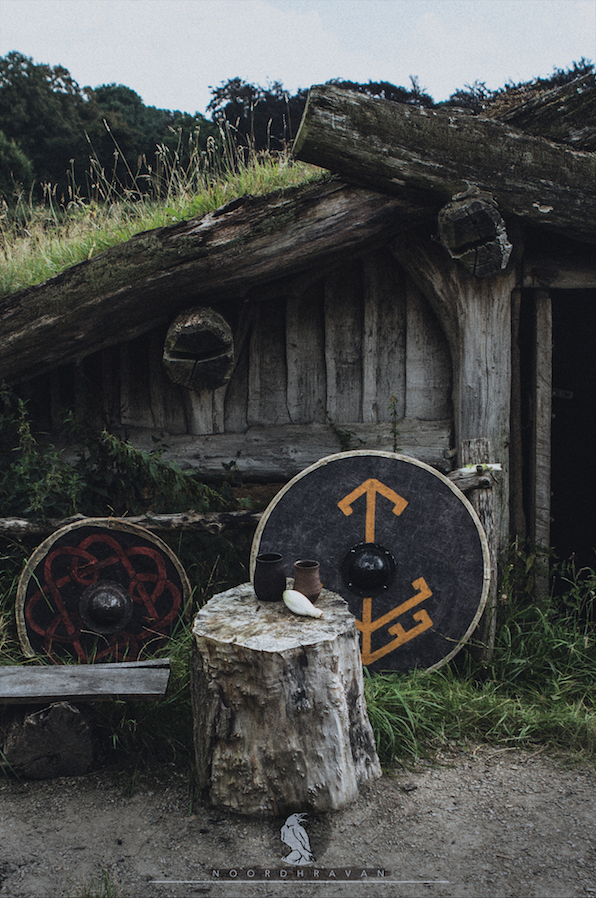

The Vikings, a community of Scandinavian seafarers active from the late 8th to the early 11th centuries, gained renown for their maritime raids, trade expeditions, and explorations. At the heart of Viking existence were their self-sufficient homesteads, known as "hofs." Constructed from wood with thatched roofs, these dwellings typically comprised a single room featuring a central hearth for cooking and warmth. More affluent Vikings might have separate rooms for distinct purposes like sleeping, working, and food storage. Agriculturally adept, Vikings cultivated their crops, raised livestock, and supplemented their diet through hunting and fishing. Their culinary preferences embraced a variety of...
Viking Spring Rituals: Honoring the Norse Gods and Welcoming the Season of Rebirth


Discover the fascinating world of Viking spring rituals, as the Norse gods were honored and the arrival of spring was celebrated during the Viking Age. Learn about the ancient customs and traditions that marked the beginning of the season of rebirth in Viking culture. As the icy grip of winter loosened its hold, and the days grew longer and warmer, the Vikings of old would eagerly anticipate the arrival of spring. Known for their fierce warrior ways and seafaring exploits, the Vikings also had a deep connection with nature and the changing seasons. Spring held a special significance for the...
Unknown Facts about Vikings, Viking Kings, and Shield-Maidens
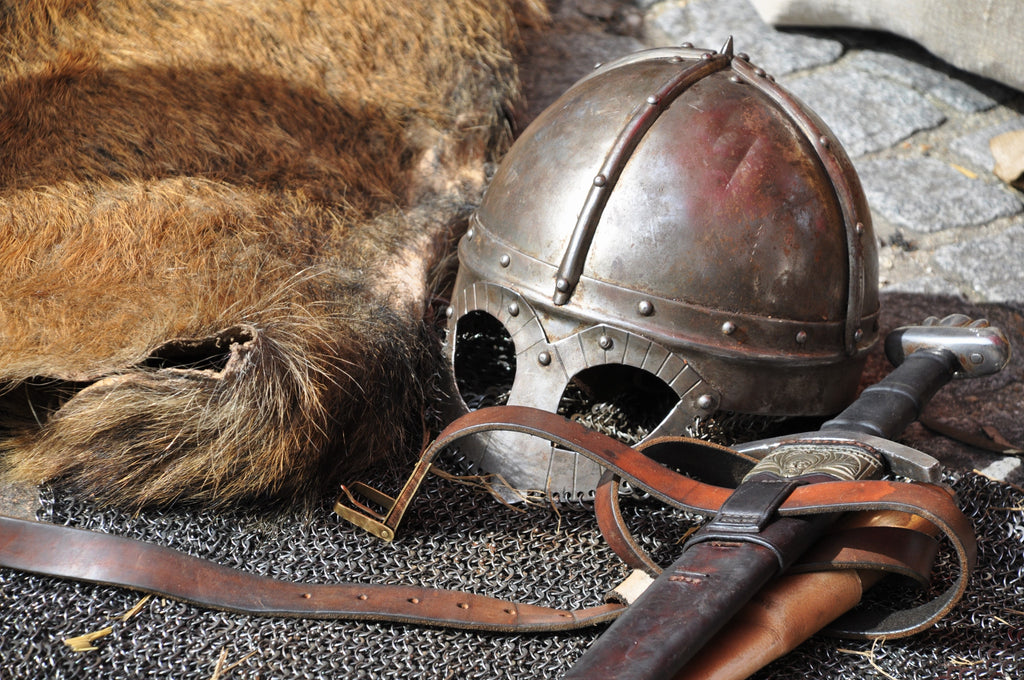

The Vikings are some of the most iconic figures in history. These seafaring warriors from Scandinavia sailed the seas over a thousand years ago, conquering and trading with countries far and wide. Known for their fearless nature and their mastery of the seas, the Vikings were a force to be reckoned with. However, there are still many mysteries and unknown facts about these fascinating people. In this article, we will explore some of the lesser-known details about Vikings, Viking Kings, and Shield-Maidens. Viking Facts: The Vikings didn't actually wear horned helmets: Contrary to popular belief, Vikings didn't actually wear horned...
Top Historical Sites for Viking lovers
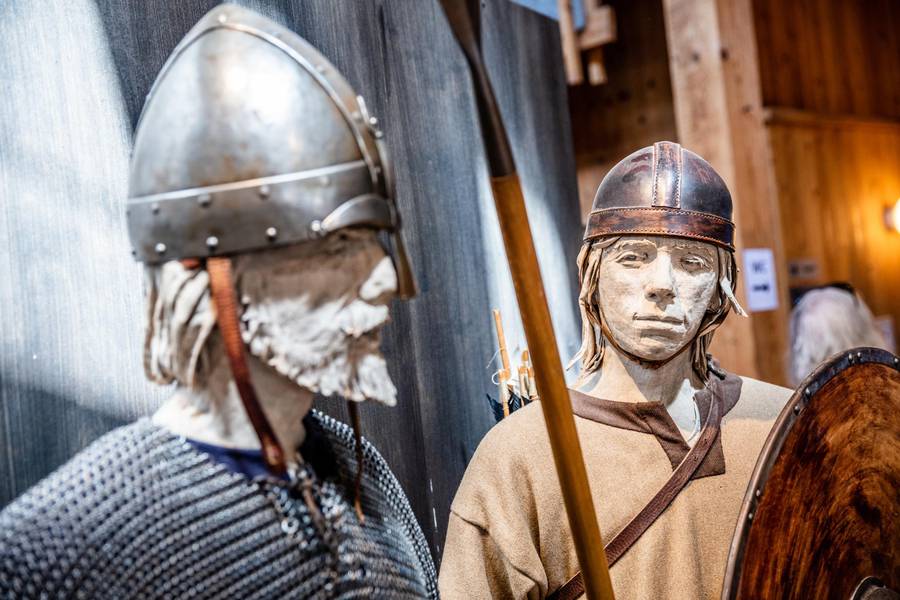

If you are a Viking enthusiast and planning to visit the Nordic countries, here are some top historical sites you should consider visiting in Denmark, Sweden, Iceland, and Norway. Jelling Mounds and Stones - Denmark Jelling is a small town in Denmark, known for its Viking Age monuments, including two massive burial mounds and two runic stones. The site is significant because it represents the cultural transformation of the Viking people from their pagan beliefs to Christianity. The runic stones are inscribed with messages by King Harald Bluetooth, who unified Denmark and converted to Christianity in the 10th century....
Berserkers and Warriors of the Viking Age
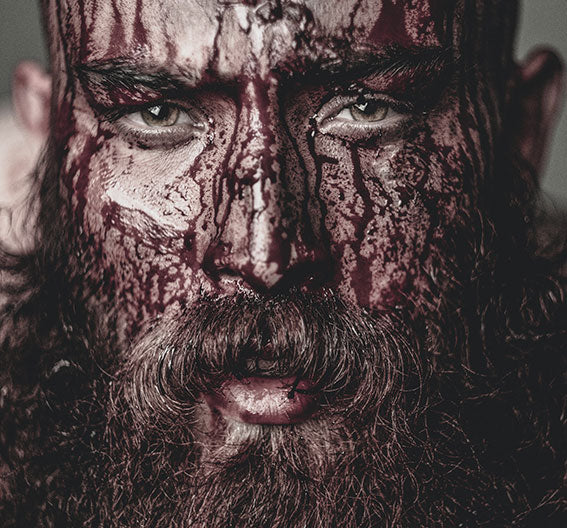

The Berserkers were a group of elite Viking warriors who were known for their ferocity in battle. They were said to work themselves into a frenzy before battle and were virtually unstoppable on the battlefield. The name "Berserker" comes from the Old Norse "ber serkr," which means "bear shirt," as they were said to wear the skins of bears and wolves into battle. Berserkers were considered the highest rank of warrior in Viking society, and were favored by the chieftains for their bravery and fighting skills. They were often given the best weapons and armor, and were expected to...